Have you ever felt like you need someone—not just want them, but really need them to feel okay?
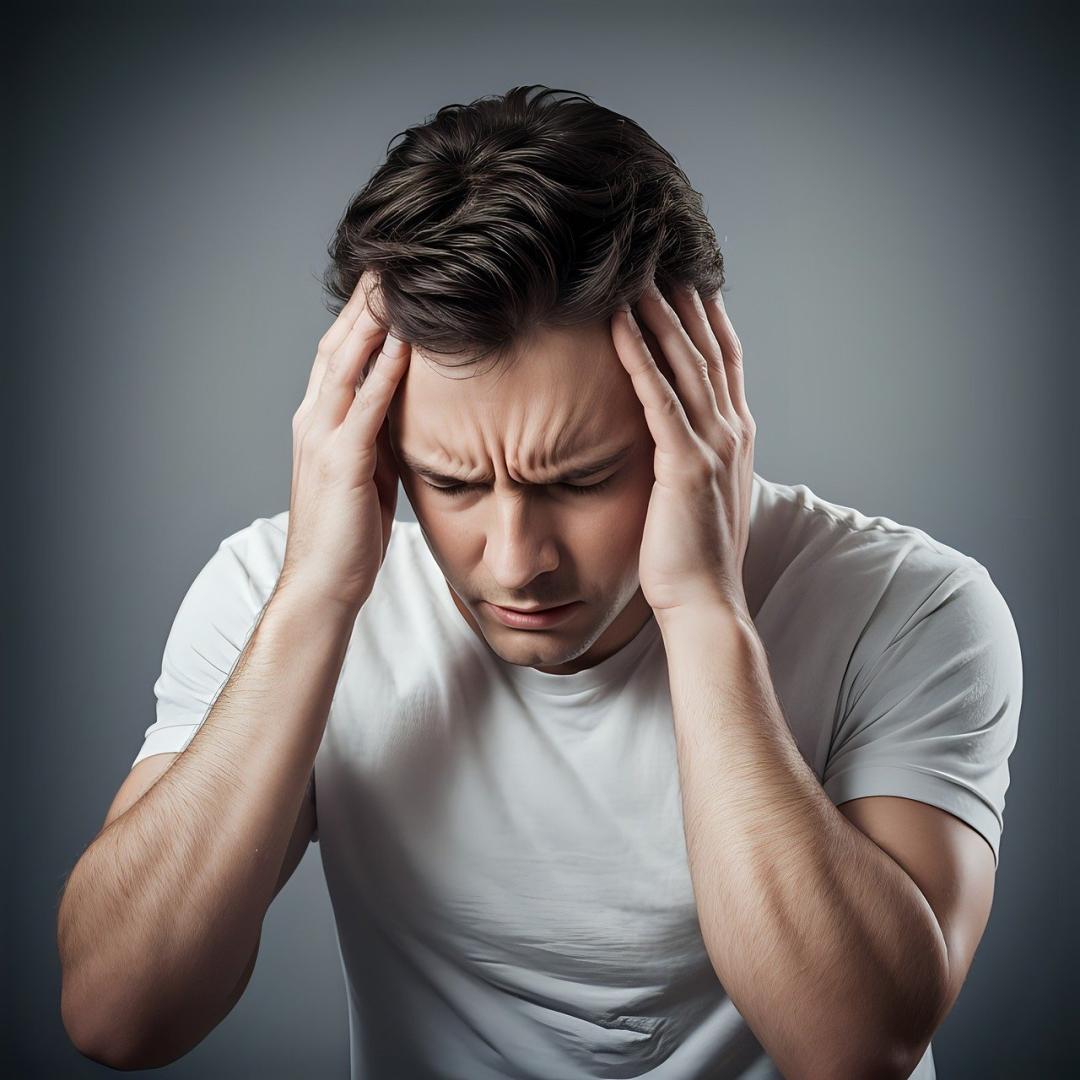
At first, it might feel like passion, even destiny. But over time, that need can start to feel more like desperation, anxiety, or fear. You may find yourself obsessing over your partner, feeling crushed when you’re apart, or staying in a relationship that doesn’t feel healthy—just because the idea of being alone is unbearable.
This isn’t just “falling hard.” It can actually be something deeper: love addiction.
Love addiction isn’t just a dramatic phrase. Studies have shown that for some people, romantic relationships activate emotional behaviors that are very similar to what we see in substance addiction.
You may constantly seek emotional “highs” from closeness or attention. And when that connection is disrupted—like during a fight, a breakup, or even a few hours without a response—you feel withdrawal: anxiety, emptiness, even panic.
This kind of emotional dependence can harm both you and your relationship in the long run.
The Psychology Behind It: What’s Really Going On?
Research points to some powerful emotional patterns underneath love addiction. One big factor? Something called fearful attachment.
People with a fearful attachment style often struggle with a mix of:
- Low self-esteem
- Fear of being abandoned
- Distrust of others
- Difficulty handling strong emotions
Psychologist Leonard Horowitz described it as having a negative view of both yourself and others. You may want closeness badly but also feel terrified of it at the same time. That tug-of-war creates a lot of inner tension—and sometimes leads to clinging to relationships, even when they’re not healthy.
Many people in this cycle don’t even realize it’s happening. You may just think you’re “too sensitive,” “bad at love,” or that you just haven’t found the right person. But what’s really happening is that your relationship is being used to regulate your emotions—kind of like how someone might use alcohol or food to cope.
Signs You Might Be Struggling with Love Addiction
- You feel intense fear or anxiety when you’re not around your partner
- You stay in unhealthy relationships to avoid being alone
- You put your partner’s needs ahead of your own—constantly
- You have a hard time trusting or feel emotionally out of control
- Breakups feel unbearable, even if the relationship was damaging
Breaking the Cycle
The good news? This cycle can be broken.
Learning to love in a healthy way means learning how to feel safe and whole on your own first. That often involves:
-
Building self-esteem
-
Learning to manage painful emotions in healthier ways
-
Understanding your attachment style
-
Working with a therapist to heal past wounds
The good news? This cycle can be broken.
Learning to love in a healthy way means learning how to feel safe and whole on your own first. That often involves:
-
Building self-esteem
-
Learning to manage painful emotions in healthier ways
-
Understanding your attachment style
-
Working with a therapist to heal past wounds
Developing healthier attachment patterns can help you build relationships that are not based on fear or compulsion, but on mutual respect, support, and emotional security. Therapies that focus on emotional regulation, attachment, and inner healing—like Emotionally Focused Therapy (EFT), schema therapy, or psychodynamic therapy—can be incredibly helpful.
Love isn’t supposed to feel like withdrawal. If your relationship feels more like a lifeline than a partnership, it might be time to ask yourself—not who you’re addicted to, but why. True love is rooted in connection, not compulsion. The more we understand ourselves and our emotional patterns, the better chance we have at creating relationships that lift us up, instead of dragging us down.
 Read Previous Post