
For years, we’ve heard the same message: if we just eat less and move more, we can beat the obesity epidemic. However, new research from Duke University suggests that it’s not that simple. In fact, Americans are burning more calories than ever—more than people in traditional societies who hunt, farm, and gather for their food—yet we’re still getting heavier. The problem, it turns out, lies not in how much we move, but in what we eat.
The study, published in the Proceedings of the National Academy of Sciences, tracked over 4,200 people across 34 populations, from Tanzanian hunter-gatherers to office workers in Norway. Researchers used a highly accurate method called “doubly labeled water” to measure how many calories people actually burn in daily life.
Their surprising discovery? People in developed countries burn more calories per day than those in less developed ones, even after adjusting for differences in body size. And physical activity levels? Roughly the same across the board. This directly challenges the common assumption that our sedentary lifestyles are solely to blame for the rise in obesity.
So if we’re not burning fewer calories, why are we gaining more weight?
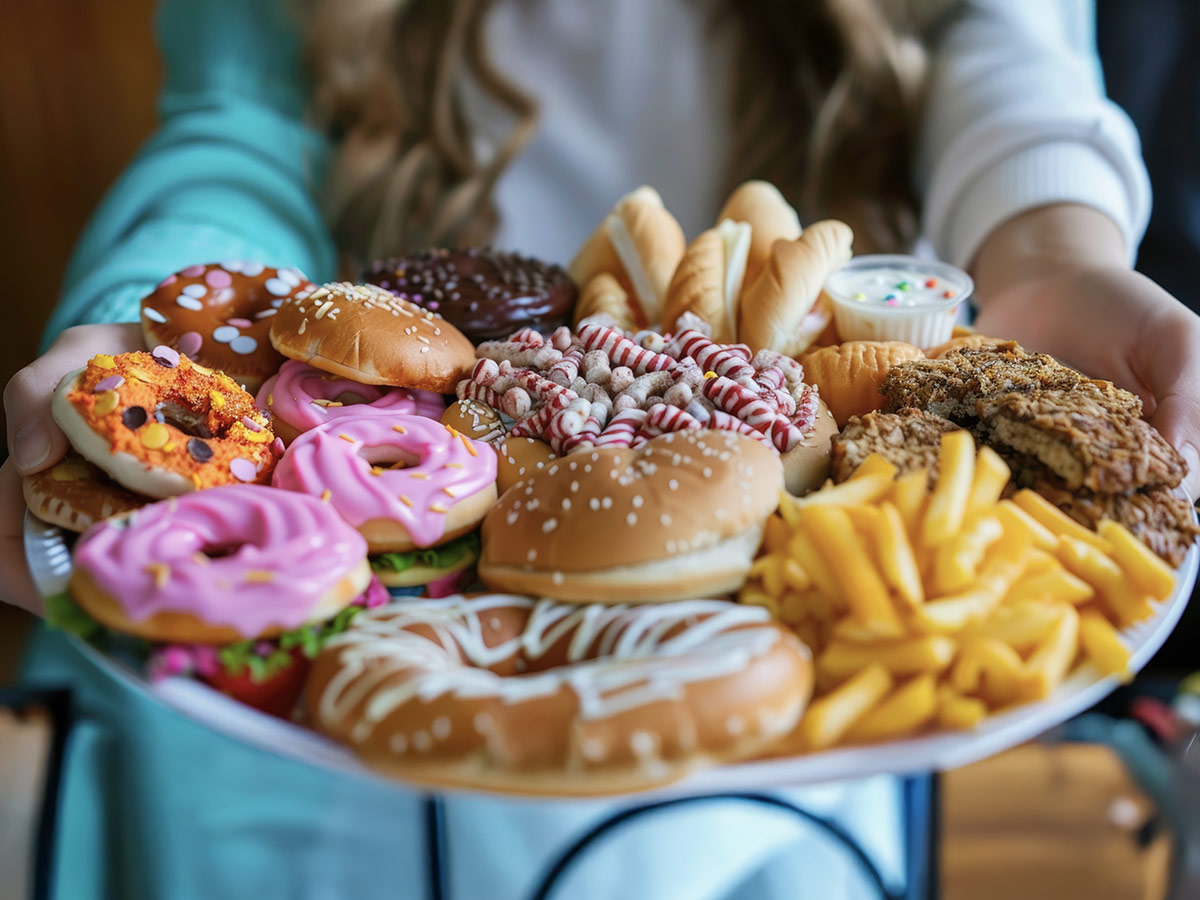
The answer points to our modern diet. Specifically, ultra-processed foods—items like sugary drinks, packaged snacks, and fast food meals—are driving the problem. These foods are engineered for taste and convenience, but they’re also easy for the body to digest and absorb. That means we store more of the calories we consume.
Not only are ultra-processed foods more calorie-dense, but they also mess with the body’s natural hunger cues, causing us to overeat without realizing it. According to the study, the amount of ultra-processed food in a person’s diet is a strong predictor of body fat levels.
This doesn’t mean physical activity doesn’t matter. Exercise is still essential for heart health, mental well-being, and maintaining a strong metabolism. But when it comes specifically to fighting obesity, exercise alone isn’t enough if we’re fueling our bodies with poor-quality food.
Incredibly, the study found that differences in body fat between people in rich and poor countries were 10 times greater than any differences in how many calories they burned. That means what we’re eating—and how much of it—is far more influential than how much we move.
This study calls us to rethink our habits—and our food environment. Instead of shaming ourselves for not working out enough, maybe it’s time we ask deeper questions about what’s on our plates, and how our food choices reflect God’s design for health, stewardship, and self-control.
 Read Previous Post