
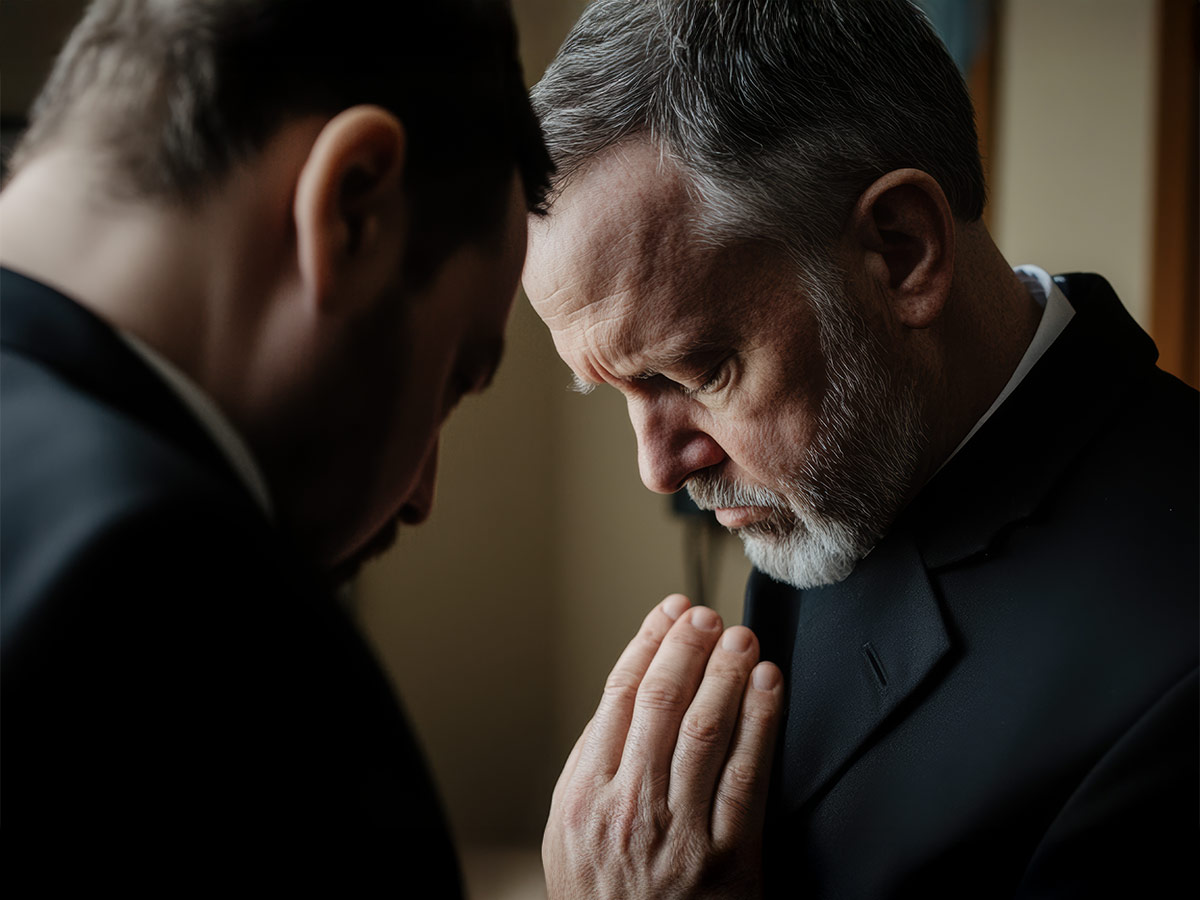
A new study showed that pastors are faring worse than their non-pastoral counterparts when it comes to relationships and well-being. The study, dubbed “State of the Church” by Barna was conducted through the research group Gloo. Researchers conducted 3,508 online surveys between August 16 to 29 of last year. The study noted that from the outside, pastors appear to be doing well. “All things considered, today’s pastors are faring well. Based on Barna’s dimensions of flourishing, their combined flourishing score exceeds the U.S. adult population (76 vs. 71, when scored out of 100). This overall score, however, masks a more complex reality,” the study warned. Researchers found that pastors scored well in areas like faith, finances, and vocation.
Pastors scored the lowest, however, in the areas of well-being and relationships. According to the research, pastors scored a 69% on their physical, mental, and emotional health, lower than the general population (73%) and non-pastoral professing Christians (79%). Barna noted that lower well-being increased the risk for burnout. Relationships also painted a bleak picture, with pastors scoring 67%. The study found that pastors also did not recognize the need for improvement in relationships and well-being, with most stating their biggest need was with things like leadership development, finances, and spiritual growth.
Looking more deeply into how pastors manage their well-being, the study found that 52% of pastors don’t get any professional support. Such support can be sought through mentors, advisors, coaches or counselors. Those that do seek help tend to seek it out through non-professional sources, with 22% seeking help from a personal mentor and 17% from a spiritual advisor. Only 12% of those who were receiving support were seeing a therapist and 9% seeing a professional counselor.
The study noted the importance of support and its impact on flourishing. “Our research also reveals important connections between support and flourishing,” said researchers. “Pastors who receive more frequent spiritual support report higher vocational satisfaction. Conversely, pastors who struggle with work-life balance receive spiritual support less often. These correlations highlight a concerning cycle for churches to note: Those who most need support may be least likely to access it, potentially due to time constraints, financial limitations or simply feeling too overwhelmed to seek help.”
 Read Previous Post