
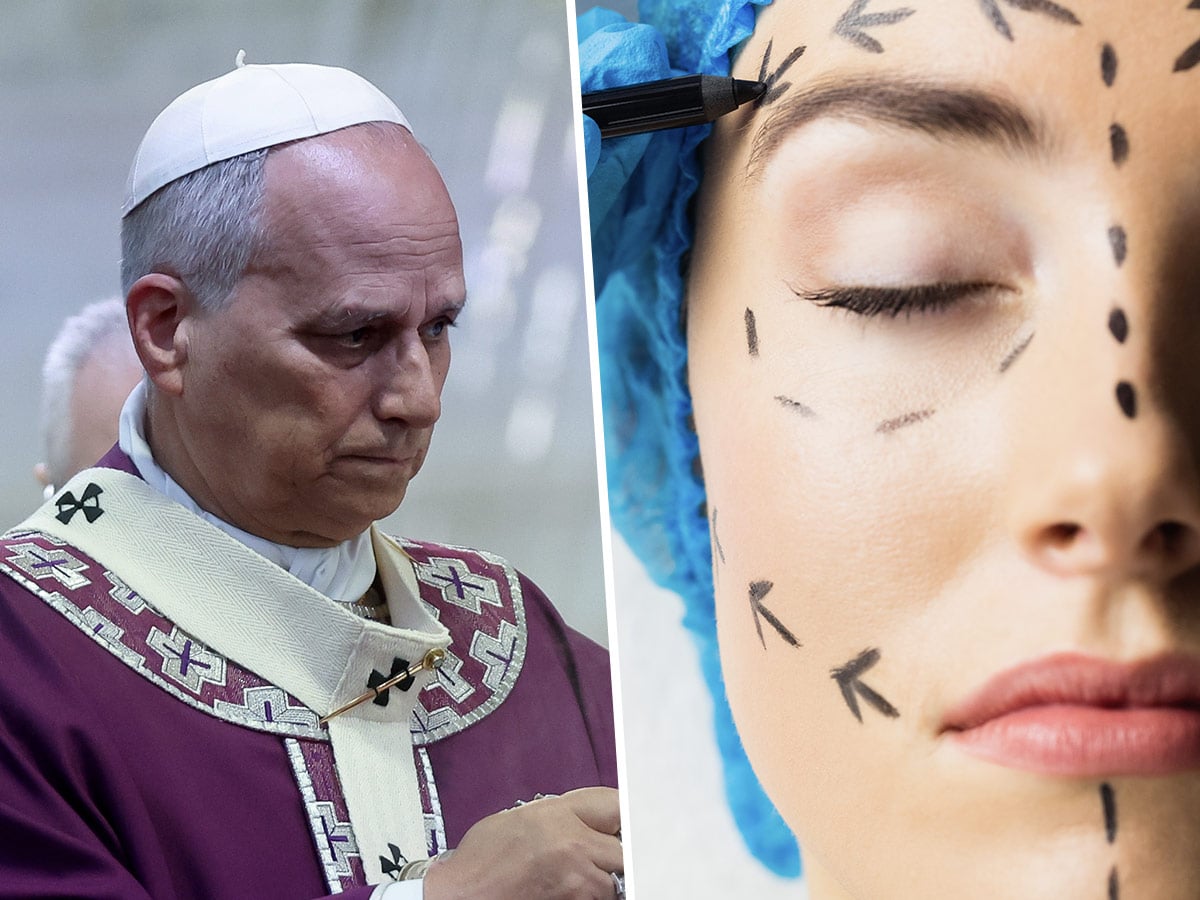
Pope Leo XIV is warning against a growing cultural obsession with physical perfection, cautioning that cosmetic surgery trends, extreme beauty standards, and even modern weight-loss treatments can distort how people view the body God created.
In a newly released Vatican document approved by the pope, Church leaders addressed the rise of cosmetic procedures and appearance-focused trends that prioritize outward perfection over spiritual identity. The document, titled “Thinking about Christian anthropology in light of certain future scenarios for humanity,” warns that society’s pursuit of the ideal body can create what it calls a dangerous “cult of the body.”
“We cannot ignore the trends that reduce the body to biological material to be enhanced, transformed, and remodeled at will,” the Vatican’s International Theological Commission wrote in the report.
The document argues that advances in cosmetic surgery and aesthetic treatments have significantly altered how people understand their bodies and identity. Rather than accepting the body as a gift from God, some individuals now view it as something to reshape endlessly in pursuit of cultural ideals.
According to the commission, this mindset can create a troubling dynamic in which people feel detached from their own bodies. Instead of embracing who they are, they begin chasing a manufactured version of themselves.
“Cosmetic surgery…offers tools that significantly change the relationship with one’s corporeality and therefore with reality and with others,” the document states.
The Church emphasized that while plastic surgery is not outright forbidden, procedures motivated primarily by vanity or cultural pressure can lead people down a spiritually unhealthy path.
“A curious situation is created,” the commission warned. “The ideal body is exalted, sought after and cultivated, while the real body is not truly loved, being a source of limitations, fatigue and ageing.”
Christian teaching has long emphasized that the human body is created in the image of God and deserves dignity and respect. The document argues that when people begin treating their bodies merely as objects to be modified according to trends, they risk losing sight of this deeper truth.
“One desires a perfect body, while dreaming of escaping from one’s own concrete body and its limitations,” the report continued.
The Vatican’s message comes at a time when cosmetic procedures, weight-loss drugs, and online “looksmaxxing” trends have surged in popularity, especially among younger audiences seeking to optimize their appearance.
Yet the commission stressed that the issue goes beyond aesthetics and touches on humanity’s relationship with God.
“These transformations influence the relationship with the Mystery of the origin and ultimate end of human life,” the document explained. “When human beings reduce created nature…to matter to be transformed, they no longer manifest the glory of the Creator, but replace him.”
The discussion has sparked debate online and in the media. Some commentators welcomed the reminder to value natural aging and self-acceptance, while others argued the topic is more nuanced, especially when procedures are used for medical reasons.
Still, the Vatican’s core message remains rooted in faith: human worth is not determined by physical appearance.
For Christians, the document suggests, the path forward is not found in chasing perfection in the mirror but in embracing the body as a sacred gift from God — one meant to be cared for, not endlessly remade in the image of cultural trends.
 Read Previous Post