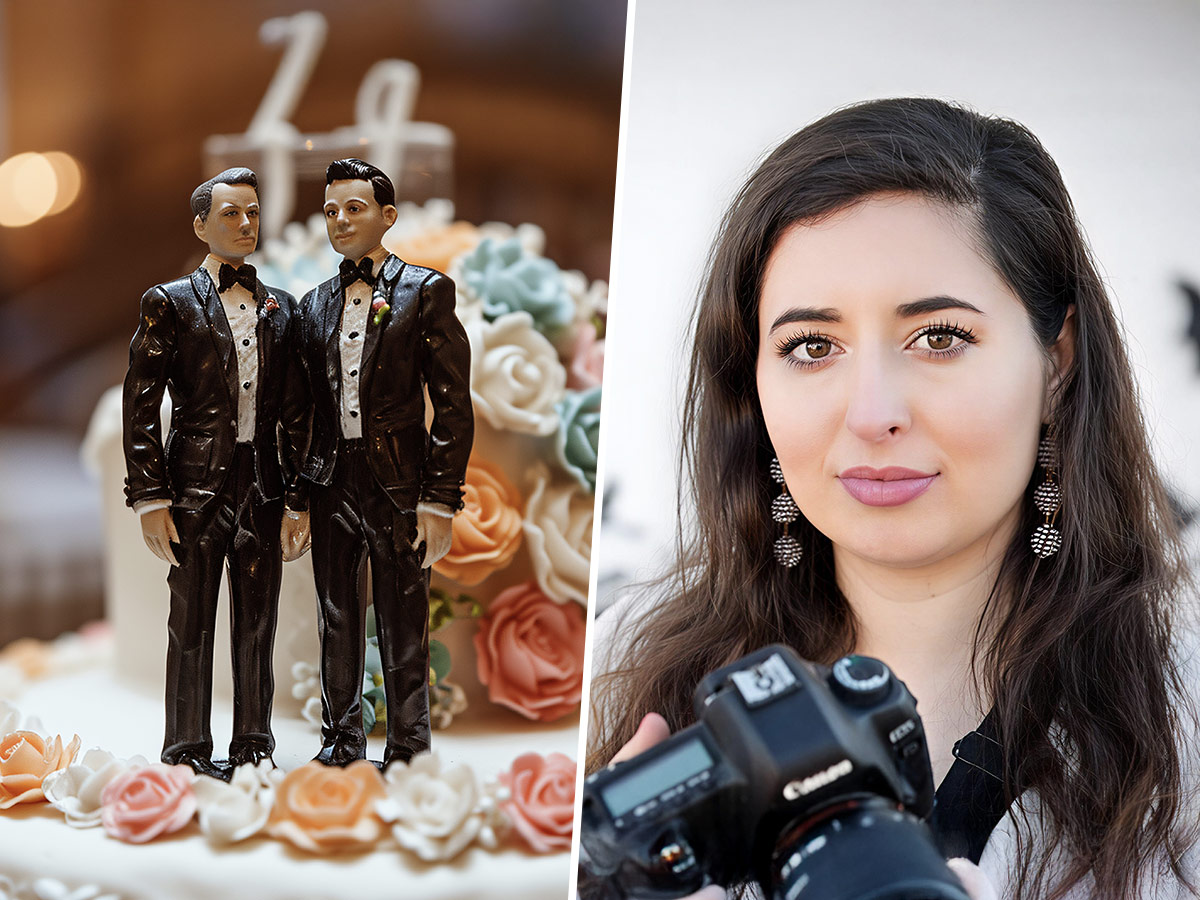
The city of Louisville has agreed to pay a Christian photographer $800K after she claimed the city’s anti-discrimination ordinance violated her First Amendment rights. Photographer Chelsey Nelson filed a lawsuit against the city in 2019, claiming the city’s anti-discrimination ordinance, which was passed in 1999, would force her to either take photos of same-sex weddings or shut down her business, Chelsea Nelson Photography.
Nelson is a Southern Baptist with a strong religious belief that marriage is between one man and one woman. Nelson claimed the ordinance prevented her from explaining her religious beliefs on her website. The ordinance included prohibiting discrimination based on sexual orientation and gender identity, which put Nelson’s traditional Christian values at odds with it. After exploring ways to expand her business and finding stories of Kentucky going after other creative professionals for refusing to participate in same-sex weddings, Nelson grew concerned that the ordinance could force her to work as a photographer at same-sex weddings. She filed the lawsuit, claiming the law violated the Free Speech and Free Exercise clauses of the First Amendment to the U.S. Constitution, She also alleged it violated state law under the Kentucky Religious Freedom Restoration Act. Just six months ago, a federal judge agreed with Nelson.
Bryan Neihart, senior counsel for the Alliance Defending Freedom (ADF), which represented Nelson, celebrated the decision. “The government cannot force Americans to say things they don’t believe. For almost six years, Louisville officials tried to do just that by threatening to force Chelsey to promote views about marriage that violated her religious beliefs,” he said in a statement. “Louisville’s threats contradicted bedrock First Amendment principles which leave decisions about what to say with the people, not the government. This settlement should teach Louisville that violating the U.S. Constitution can be expensive.” The ADF credited the Supreme Court decision in 303 Creative v. Elenis for assisting with the case’s success. “Thankfully, more courts are rejecting the idea that Americans can be censored or compelled to speak certain messages about important issues like marriage,” wrote the ADF. “Chelsey’s victory in this case and Lorie’s win in the 303 Creative case both provide important protections for free speech and religious liberty. Americans don’t want government officials telling them what they can and cannot say, and ADF will continue to push back against government officials who violate the First Amendment.”
 Read Previous Post