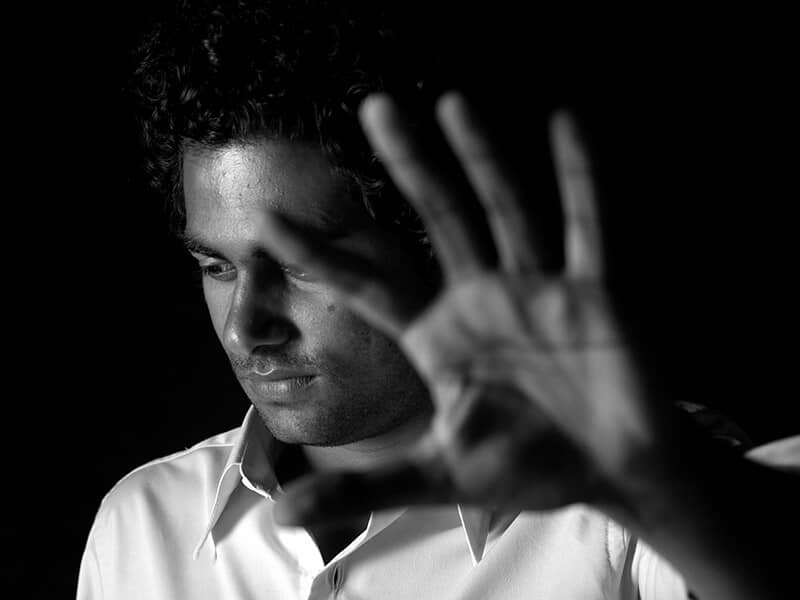
Our preoccupation with “safety” is a natural reaction to our vulnerability to loss. At the same time, the search for perfect safety is absurd given the inevitability of our eventual demise.
Even as our lives have become safer overall, our fears remain intact and lie at the foundation of our most revered institutions, notably religion, which typically promises some version of immortality as a salve for our dread of extinction.
Americans live in an increasingly authoritarian society out of persistent fear that other tribes in distant places are a threat to our way of life, to our very existence. Over the last century, this apprehension has brought us to a continual state of war, which shows no sign of abating. And, although we congratulate ourselves for being a peace-loving people, our national anthem is a tribute to fighting off threatening foreigners. (Because I am, by accident of birth, an American, the reader will find that most societal references in this book derive from this place and time. However, I have tried to choose themes with universal meaning and application.)
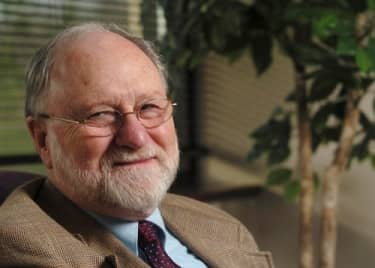
As a psychiatrist, I spend my professional life in the presence of fearful people. An entire category of mental disorders is characterized by “anxiety,” a distress of the mind typified by worry and dread. This disorder is usually distinguished from fear by the fact that anxiety may have no specific object, except when it takes the form of so-called phobias: of crowds, of flying, or of driving, for example. When anxiety is acute, its physiological symptoms take the same form as those of fear: sweating, rapid heartbeat, muscular tension. We are, in short, manifesting the onceadaptive “fight-or-flight” phenomenon except that neither of these responses may now be called for. More common triggers in the present day are things such as public speaking, taking a test, or rejection in love. Fears of failure and humiliation have replaced the threat of imminent death as our most common sources of apprehension. Collectively, our fears take the form of a pervasive worry that supports huge therapeutic and pharmaceutical industries devoted to the alleviation of emotional distress. Because I work in one of these industries, I routinely employ medications, but I have found myself in recent years invoking virtues such as courage and resilience as alternatives to the sense of victimization and helplessness that medical diagnoses often engender. On the wall of my office hangs a 1915 picture of the British explorer Ernest Shackleton’s ship “Endurance” trapped in the ice of the Weddell Sea, near Antarctica. His ultimately successful battle for his crew’s survival has much to teach us about the courage required to confront adversity of all sorts.
What are we afraid of and what can we do about it? A partial list of fears that I deal with in those seeking psychotherapy include: fear of dying, fear of change, fear of intimacy, fear of loss, fear of failure, fear of success, fear of inadequacy, fear of time, fear of loneliness, fear of the unknown. With a little thought you can doubtless make your own list. Interestingly, anxiety, like its frequent companion, depression, appears to have an element of heritability. You are more likely to suffer excessive apprehension if other members of your biological family are similarly afflicted. No one is sure how this predisposition passes from one generation to the next or on what chromosome(s) it is manifest. Although we will probably find the answer over the next few years, will we then have learned anything about alleviating anxiety itself? This biological inclination is the reason that most treatment for anxiety includes the use of one medication oranother. Drugs that increase serotonin levels in the brain, the SSRI antidepressants, are effective against chronic anxiety. Minor tranquilizers such as Xanax, Ativan, and Klonopin provide significant short-term relief but have the disadvantage of chemical dependency. Psychotherapy also frequently helps, and it is about this process and what it teaches that I will have more to say. The best psychological antidote to anxiety turns out to be some combination of hope and courage. How these virtues are acquired, manifested, and taught are at the core of this
book. It is not easy to live a courageous life, and no one is brave all the time or in every circumstance.